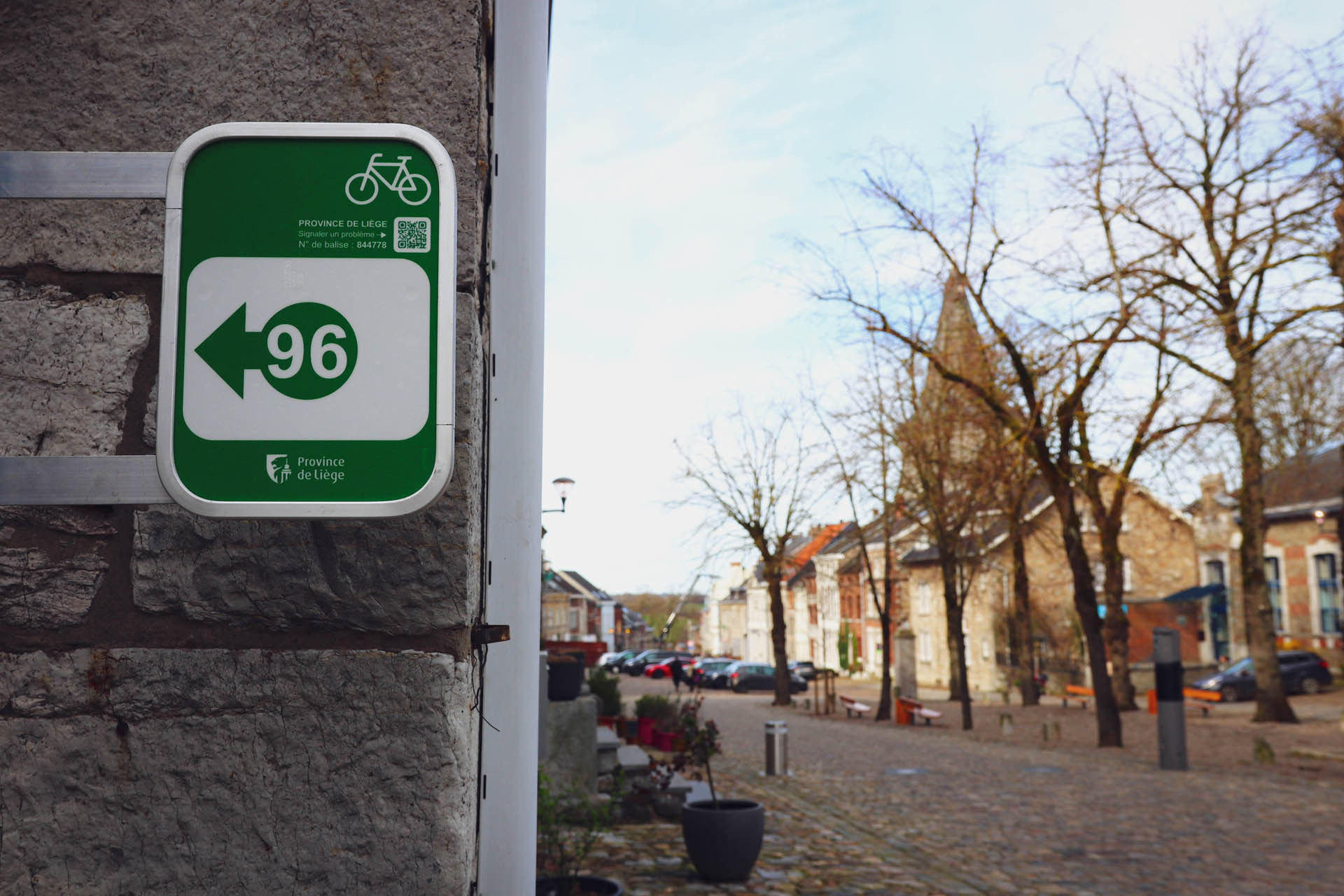
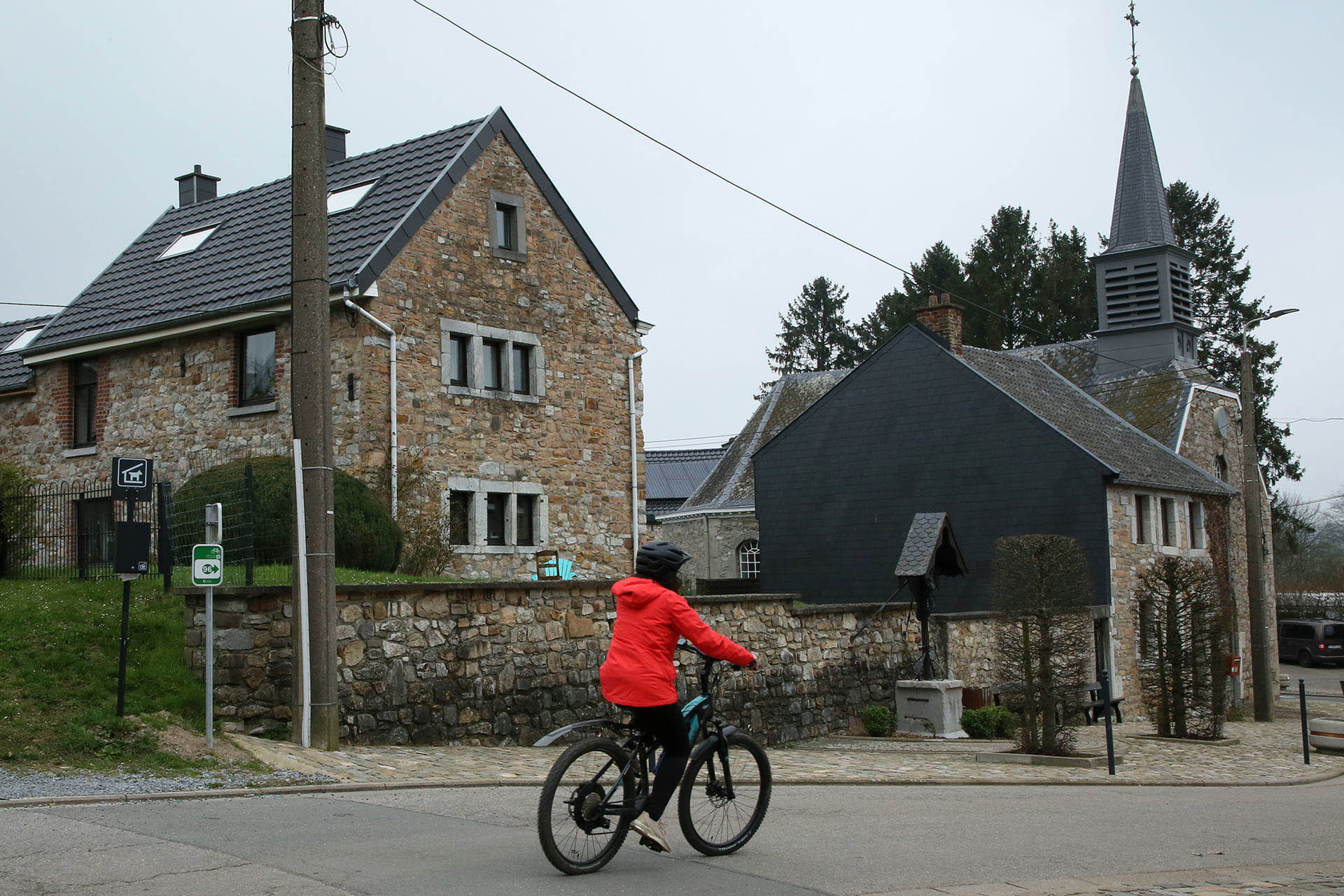
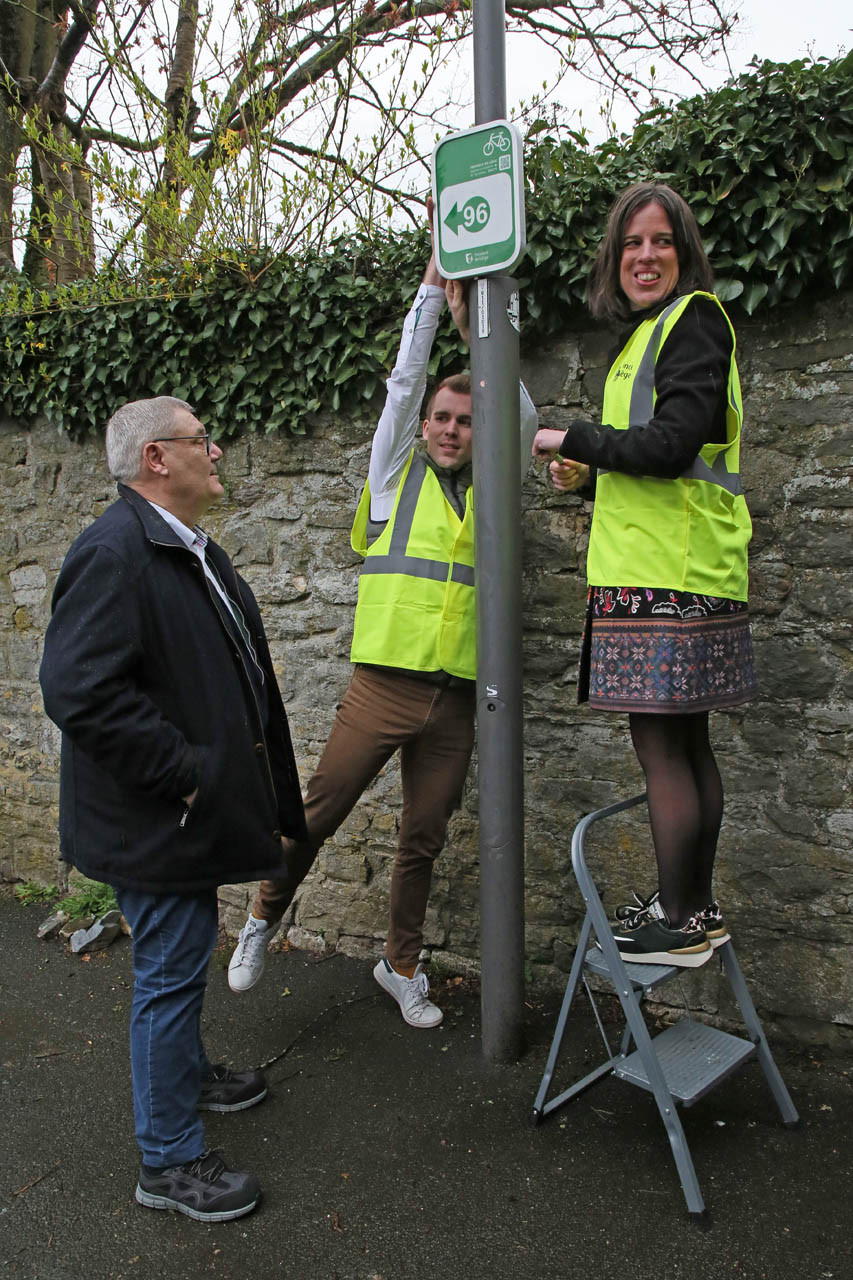
The Province of Liège's junction node network continues to grow across the region under the leadership of the Tourism Federation of the Province of Liège. A new section has now been inaugurated in the Vesdre Valley. In addition, as part of the Province's cooperation with local authorities, a combined cycling and walking route will be created through a separate funding programme between these two villages, offering even more opportunities to enjoy the outdoors close to home.
The Province of Liège, via its Tourism Federation, has resumed its efforts to expand the network and, consequently, the signposting work, in consultation with the local authorities. The latest development takes visitors to the Vesdre Valley, where a newly signposted route now links the Gileppe Dam with the Grünhaut Forest near Bilstain, passing through the historic town of Limbourg.
The choice of this region was no coincidence, as it previously had no junction node signage.
The objective is to extend the junction node network towards Jalhay, Baelen, Stembert, Verviers and Heusy, filling the remaining gaps in the existing cycling network.
This new route also connects two of “The Most Beautiful Villages of Wallonia”: Clermont-sur-Berwinne and Limbourg. As a result, the Vesdre Valley is now fully integrated into the junction node bike network and connected to both the Pays de Herve and Line 38.
CREATION OF A CYCLING AND WALKING ROUTE
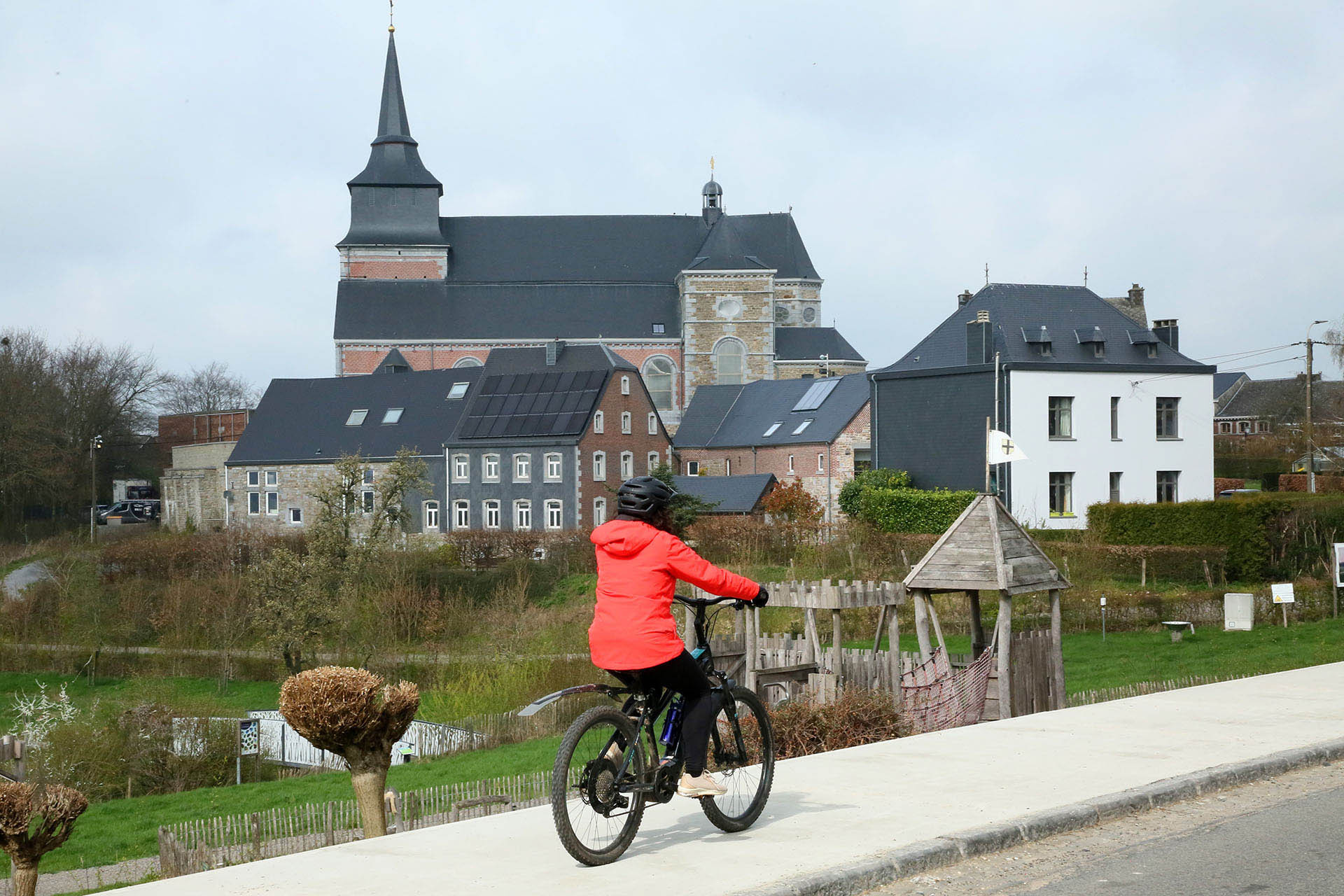
This newly signposted section of the junction node network also paves the way for a project initiated by the Municipality of Thimister-Clermont and the City of Limbourg. As part of their efforts to further develop local tourism, the two authorities plan to create a high-quality rural cycling and walking route known as the "Route of the Most Beautiful Villages of Wallonia".
In this context, an application for funding was submitted to the Province of Liège, which granted its approval in principle in July 2021 and allocated €260,000 towards its implementation. Thanks to this budget, the project combining culture, tourism, heritage, sustainable mobility and sport will soon become a reality. The official groundbreaking ceremony marks the beginning of this exciting new development.
Once completed, the route will offer an attractive way to explore the area between the Vesdre and the Meuse, highlighting the rich historical heritage of these two villages, both recognised as part of Wallonia's cultural heritage. The project focuses on upgrading an existing route. Within the City of Limbourg, the first phase of works will begin in spring and includes the restoration of the Grünhaut Path as well as the creation of a shared cycling and pedestrian route along the Chemin de la Grappe.
In Thimister-Clermont, the project includes the construction of a dedicated path together with improvements to the crossing of the N3, allowing cyclists and pedestrians to reach Clermont safely from Cour La Saulx. At this stage, the project is still under study and may therefore still be subject to change and is expected to be submitted in September 2024. The long-term objective is to create a safer and more cyclist-friendly link between Elsaute and Clermont, with particular emphasis on providing a secure crossing of the N3.
A NETWORK THAT CONTINUES TO GROW
Thanks to this latest extension in the Vesdre Valley, the Province of Liège's junction node network now comprises 1,690 kilometres of signposted routes. By 2026, this figure is expected to increase to almost 2,100 kilometres. The Tourism Federation of the Province of Liège ultimately aims to add a further 800 kilometres of junction node network in the French-speaking part of the Province, while also completing the modernisation of 250 kilometres of the Vélo Tour network in partnership with the East Belgium Tourism Agency. Together, these projects will create a network stretching to almost 3,000 kilometres.